
-
 July 17, 2023
-
 0 Comments
-
 By
MR
By
MR
Sustainable Development Goals (SDGs): A Roadmap for Global Progress
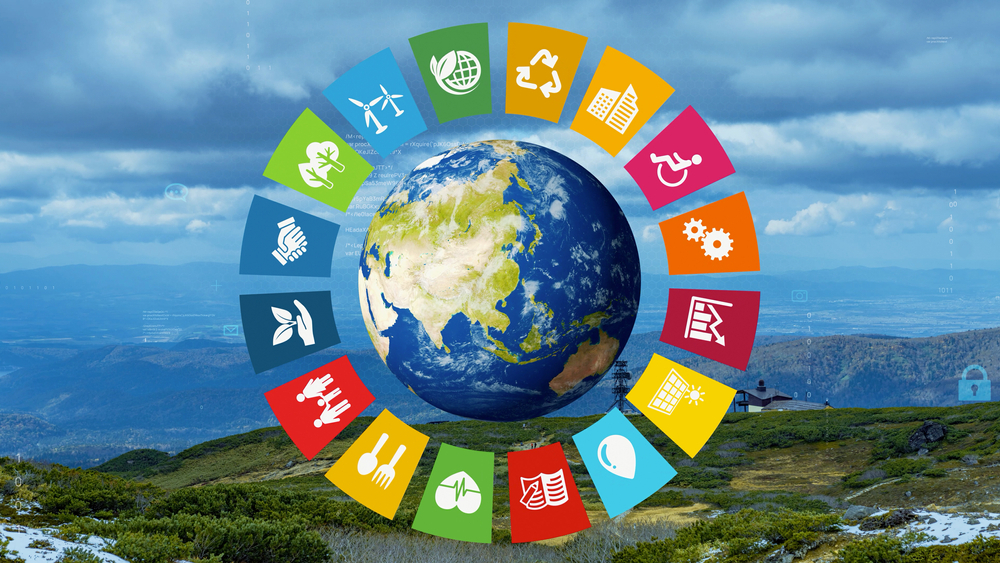
The Sustainable Development Goals (SDGs) are a set of 17 goals established by the United Nations (UN) in 2015 as a roadmap for global progress. They aim to address the world’s most pressing economic, social, and environmental challenges by 2030. The SDGs build upon the Millennium Development Goals (MDGs) but encompass a broader range of issues.
The 17 SDGs cover a wide spectrum of interconnected areas, including poverty eradication, quality education, gender equality, clean water and sanitation, affordable and clean energy, decent work and economic growth, industry innovation and infrastructure, reduced inequalities, sustainable cities and communities, responsible consumption and production, climate action, life below water, life on land, peace, justice, and strong institutions, partnerships for the goals, and more.
Each goal has specific targets and indicators to measure progress. They are designed to be universally applicable to all countries, regardless of their level of development, and promote a holistic approach to sustainable development, addressing the economic, social, and environmental dimensions in an integrated manner.
The SDGs recognize that achieving sustainable development requires collaboration and partnership among governments, civil society, private sector entities, and individuals. They call for coordinated efforts at the global, regional, national, and local levels to mobilize resources, share knowledge, and implement effective policies and practices.
By pursuing the SDGs, countries strive to end poverty, protect the planet, and ensure prosperity for all. This includes ensuring inclusive and equitable access to education and healthcare, promoting gender equality, reducing inequality, fostering sustainable economic growth, combating climate change, and preserving biodiversity, among other objectives.
The SDGs have gained widespread global support and engagement from governments, international organizations, businesses, and individuals. They serve as a shared framework for collective action, guiding policies, investments, and initiatives towards a more sustainable and equitable future.
While progress has been made since the adoption of the SDGs, significant challenges remain. Accelerated efforts are needed to meet the targets by 2030, particularly in areas such as poverty reduction, climate action, and sustainable consumption and production. Governments, organizations, and individuals must work together to drive meaningful change and ensure that no one is left behind on the path to sustainable development.